Добрый день, Коллеги. Важное сообщение, просьба принять участие. Музей Ферсмана ищет помощь для реставрационных работ в помещении. Подробности по ссылке
Сборник содержит материалы докладов научной межведомственной конференции “Геологические, геофизические и геохимические исследования юго-востока Русской плиты” (2-4 апреля 2001 года, г. Саратов). Тезисы докладов посвящены различным аспектам геологических наук и располагаются в тематическом порядке по разделам: “Геодинамика”, Геохимия, минералогия и петрология”, “Стратиграфия и Палеонтология”, “Минеральные ресурсы и геофизические методы поисков и разведки полезных ископаемых”, “Инженерная геология и гидрогеология”, “Геоэкология”.
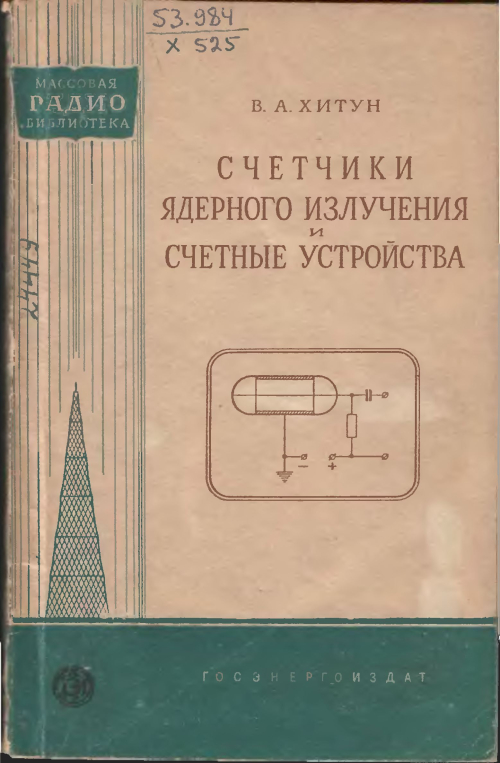
В брошюре излагаются принципы действия различных типов счетчиков ядерных частиц и основные физические процессы, происходящие в них. Рассматриваются основные элементы схем современных счетных устройств и методы пересчета. Приводятся справочные данные о некоторых выпускаемых нашей промышленностью счетчиках и фотоумножителях.
Брошюра рассчитана на широкий круг читателей, интересующихся возможностью использования счетчиков в технике и народном хозяйстве. Приводимые справочные сведения могут иметь ценность и для специалистов.
Изучение субъективного пространства личности было и остается одной из актуальных проблем психологической науки. Исследование представлений человека о самом себе, об окружающем мире имеет большое значение для теоретического осмысления структурной организации индивидуального сознания. Для описания субъективного представления мира широко используются такие понятия, как «образ мира», «картина мира».
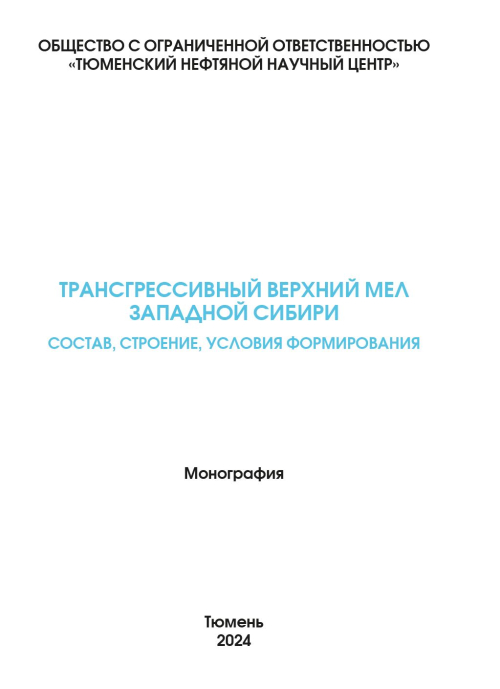
В результате объективных причин геолого-геофизические работы по изучению отложений верхнего мела Западно-Сибирской плиты (ЗСП) были «заморожены» в 80-90-е годы XX века ввиду их бесперспективности в отношении залежей углеводородов. Значительная выработка запасов сеноманского газа, поставленных на баланс ещё в советское время, предопределила необходимость вовлечения в разработку новых залежей, способных стабилизировать уровень добычи. Верхнемеловые толщи (над сеноманом), с учётом накопленных данных о притоках и газопроявлениях, потенциально рассматривались как возвратный объект разработки по мере истощения основных залежей.
Наиболее полный и авторитетный труд по оптике в мировой литературе, учитывающий все последние достижения классической теории.
Излагаются макроскопические уравнения Максвелла с формально введенными константами и подробно разбираются вопросы распространения электромагнитных волн в среде, а также связь этих констант с поляризацией и намагничением.
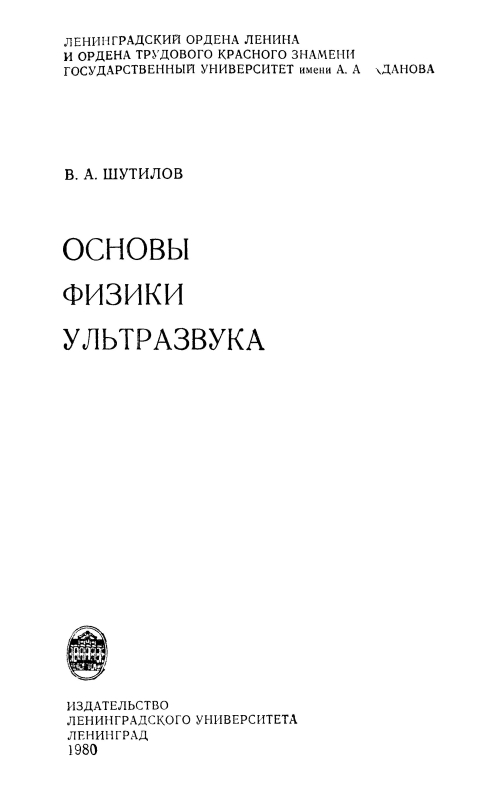
Предлагаемая книга посвящена распространению ультразвуковых волн в жидкостях, газах и твердых телах, рассматриваемых как сплошные среды с разными характеристиками упругости. В ней систематизированы вопросы, имеющие непосредственное отношение к специфике ультразвука: возможности генерирования направленных пучков плоских волн, высокой интенсивности ультразвукового излучения и т. д.
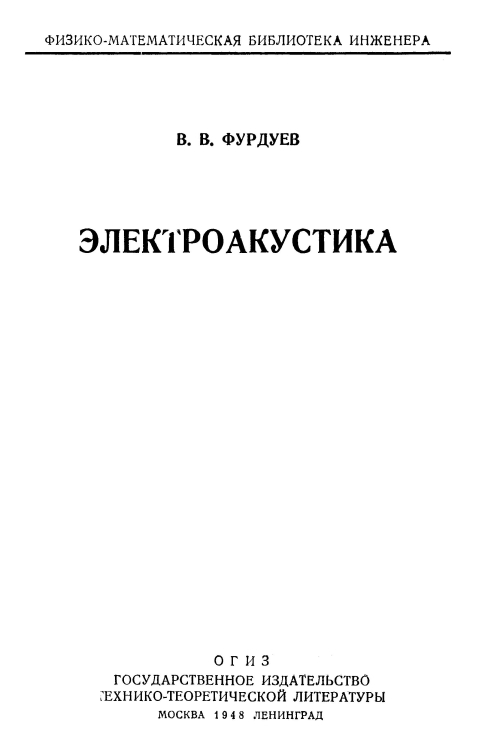
В книге излагаются физические основы современной электроакустики и принципы устройства электроакустической аппаратуры, применяемой в технике радиовещания и звукозаписи. Книга содержит также теорию акустических процессов в закрытых помещениях и методы расчёта систем озвучания и звукоусиления. Книга рассчитана на студентов, изучающих техническую акустику, на инженерно-технических работников и физиков акустической специальности.